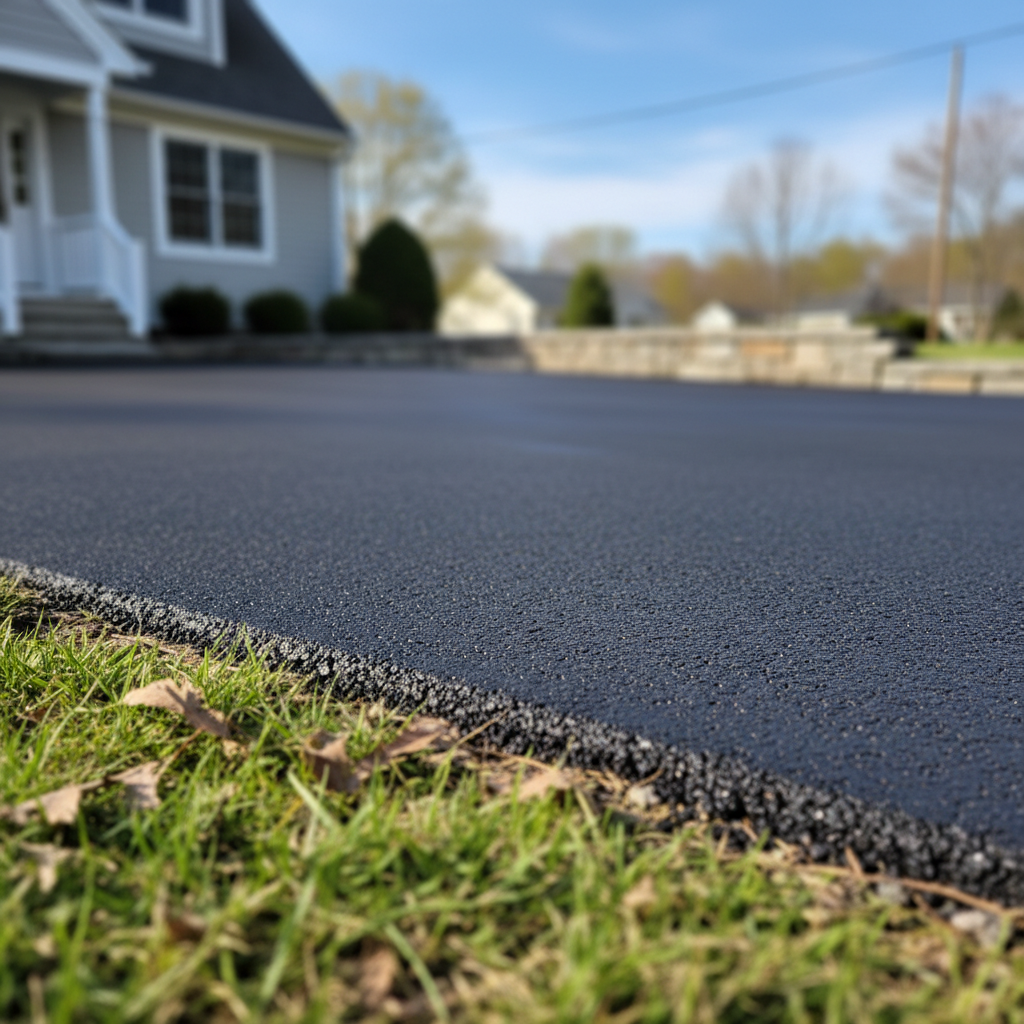
What's the deal with cracks in my asphalt driveway? Should I be worried?
Cracks are super common, especially here in Taunton. We get those wild temperature swings, don't we? From freezing winters right into hot, humid summers. They happen because the asphalt expands and contracts with all that. Small, hairline cracks – sometimes called 'alligator cracking' if they're in a tight pattern – usually aren't an immediate emergency. But if you've got wider ones, say a quarter-inch or more, or deep potholes, you definitely want to get those checked out. Water gets into those cracks, freezes, expands, and then you've got a real problem on your hands. We call it 'freeze-thaw,' and it's a driveway killer. Catching them early with a good crack fill can save you a lot of money down the line.
How often should I sealcoat my asphalt driveway?
This is one I get asked a lot. Generally, I tell folks to plan on sealcoating every 2-3 years. It's not just about making your driveway look nice and black again, you know; it's really about protecting it. Sealcoat puts a barrier between your asphalt and the elements – UV rays from the sun, rain, snow, oil spills, even chemicals. Think of it like sunscreen for your driveway. If you just had a brand new driveway put in, you'll want to wait about 6-12 months for the asphalt to fully cure before that first sealcoat. After that, stick to that 2-3 year cycle. If you live on a busy street or have a lot of heavy vehicles, you might lean towards doing it every two years.
My driveway has puddles after it rains. Is that a problem?
Yeah, puddles are absolutely a problem. That's called poor drainage, and it's not just annoying; it's really bad for your asphalt. Standing water softens the asphalt over time, leading to premature deterioration, cracks, and potholes. It also makes your driveway a slipping hazard in the winter when it freezes. When we install a new driveway at Fortune Asphalt Taunton, we always make sure to grade it properly so water flows away from your house and off the driveway. If you've got an existing driveway with drainage issues, sometimes it's a simple fix like adding a small swale or a drain. Other times, though, it might mean a more extensive repair or even a partial repave to get the pitch right. Don't ignore those puddles.
What's the difference between asphalt paving and concrete? Why choose asphalt?
Good question. They're both popular, but they're pretty different. Concrete is rigid; asphalt is flexible. That flexibility is a big advantage here in New England. With our ground freezing and thawing, concrete can crack and heave a lot more easily. Asphalt handles that movement better. It's also generally quicker to install, and you can drive on it sooner. Plus, asphalt is easier and cheaper to repair. If you get a pothole in asphalt, we can patch it. A crack in concrete often means tearing out and re-pouring whole sections. Asphalt also tends to be more affordable upfront. For most residential driveways around Taunton, asphalt just makes more sense for durability and maintenance.
Can I put asphalt over my old concrete driveway?
You can, but it's not always the best idea without proper preparation. If your concrete driveway is in pretty good shape – no major cracks, heaving, or crumbling – then sometimes we can lay asphalt directly over it. We'd usually put down a binder layer first to help with adhesion. The big thing is making sure the concrete underneath is stable and won't shift. If it's already got significant issues, those problems are just going to telegraph right through your new asphalt layer eventually. You'll see the cracks and bumps come right back up. I'd always recommend a thorough inspection first to see if it's a viable option or if you're better off removing the concrete entirely.
How long does a new asphalt driveway typically last?
With proper installation and regular maintenance, a new asphalt driveway can easily last you 20-30 years, sometimes even longer. The key really is that 'proper installation' part. You need a good, solid base that's well-compacted. Then you need the right thickness of asphalt, laid down correctly. And then, it's all about maintenance – sealcoating every few years, addressing cracks and potholes quickly, and keeping it clean. If you neglect it, you'll be looking at repairs or replacement a lot sooner. But take care of it, and it'll serve your home well for decades. We've seen driveways in some of the older neighborhoods, like over by the Weir, that have held up really well because the homeowners have been diligent with their upkeep.